
Endocrinology
The complex connection between hormones and metabolism, for both women and men. From managing insulin resistance and osteopenia to restoring metabolic balance, our approach combines innovation and evidence-based care to sustain long-term health and energy.
Products
- Inofolic HP
- Inofolic Combi HP
- Inofolic phD
- Tecadriol 600
- Eudiamet 40:1
- Tiroxil 4.0
- Tiroxil 0.4
- Tiroxil D
- Synostea
Polycystic Ovary Syndrome (PCOS)
Polycystic Ovary Syndrome (PCOS)
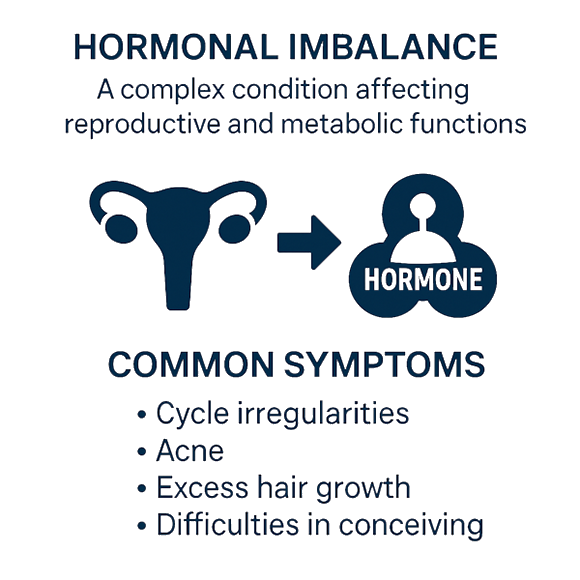
Polycystic Ovary Syndrome (PCOS) is a complex condition often associated with hormonal imbalance that affects both reproductive and metabolic functions. This imbalance can alter the normal regulation of ovarian activity, leading to irregular ovulation and changes in hormone levels that influence the menstrual cycle, skin, and overall metabolism. The interaction between reproductive and metabolic hormones plays a key role in many of the symptoms observed in PCOS, including cycle irregularities, acne, excess hair growth, and difficulties in conceiving. Over time, these hormonal disturbances may also contribute to weight fluctuations and metabolic complications, highlighting the importance of early recognition and appropriate management.
Thyroid subclinical disorders
Thyroid Subclinical Disorders
The thyroid is a small, butterfly-shaped gland located in the neck that regulates metabolism, energy, and growth through the production of thyroid hormones—triiodothyronine (T3) and thyroxine (T4).
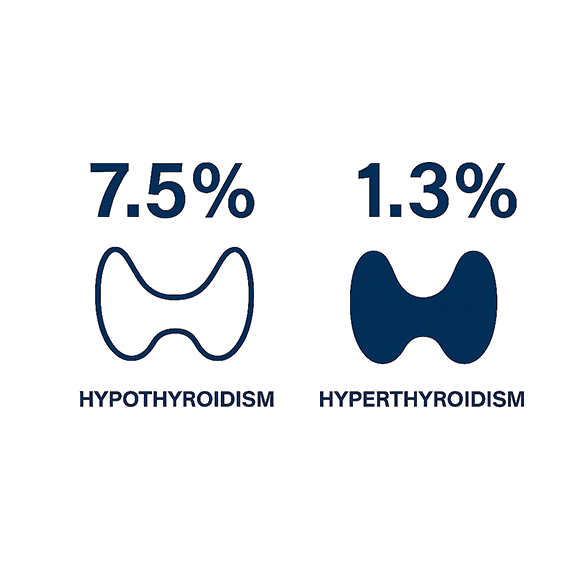
Its activity is controlled by the hypothalamic-pituitary-thyroid (HPT) axis. When the gland fails to produce sufficient hormones, hypothyroidism occurs; when it produces too much, the result is hyperthyroidism.
Subclinical Hypothyroidism (SCH) represents an early, often silent stage of thyroid dysfunction where TSH levels are elevated while T3 and T4 remain normal. Despite its subtlety, SCH is clinically important, as it may progress to overt hypothyroidism and has been linked to cardiovascular, metabolic, and reproductive complications.
Conversely, subclinical hyperthyroidism is defined by suppressed TSH levels with normal thyroid hormone concentrations, also carrying potential risks such as heart rhythm disorders and bone loss.
Globally, thyroid disorders are common and frequently underdiagnosed—affecting up to 15% of women and 8% of men—with women disproportionately impacted.
Early detection and a clearer clinical approach to managing subclinical forms are essential to prevent long-term health consequences and improve quality of life.
Dysmetabolism
Dysmetabolism
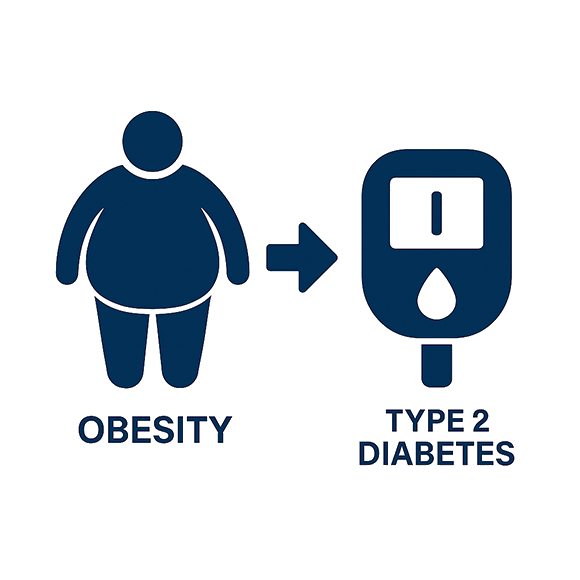
The current global epidemic of obesity represents a major medical and public health challenge. Beyond its well-known impact on cardiovascular and musculoskeletal health, obesity has led to a dramatic increase in the prevalence of type 2 diabetes, forming the core of what is now recognized as a dysmetabolic condition. This state is characterized by a complex interplay of insulin resistance, low-grade chronic inflammation, and hormonal dysregulation, which together promote metabolic and vascular complications.
When combined with other inflammation-triggering factors—such as sedentary lifestyle, poor diet, and genetic predisposition—obesity contributes to a systemic imbalance that extends far beyond metabolic disease alone. Despite its growing incidence, this dysmetabolic condition remains underestimated and undertreated, calling for greater awareness, early prevention strategies, and integrated therapeutic approaches to mitigate its long-term consequences on global health.
Osteopenia / osteoporosis
Osteopenia & Osteoporosis
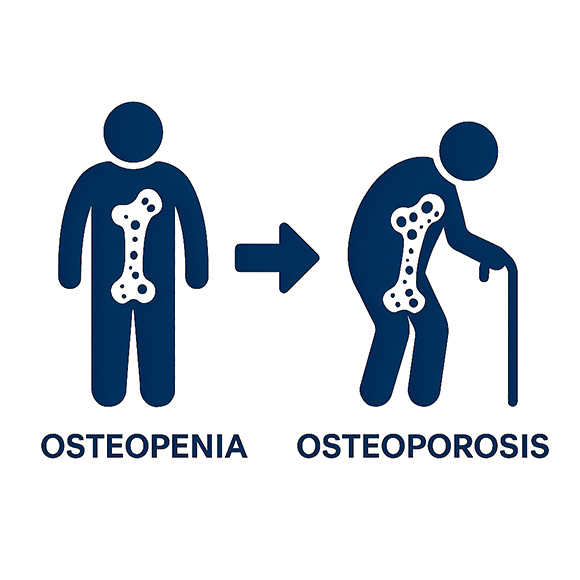
Osteopenia and osteoporosis are progressive conditions characterized by reduced bone mineral density and deterioration of bone microarchitecture, leading to an increased risk of fractures.
Osteopenia represents the early stage of bone loss and is often considered a therapeutic limbo due to the lack of clear guidelines, the variable fracture risk, and the limited or undocumented efficacy of pharmacological treatments.
From an endocrinological perspective, both conditions reflect complex alterations in hormonal regulation—particularly involving estrogen, testosterone, parathyroid hormone, and vitamin D—that critically influence bone remodeling and calcium homeostasis.
Osteoporosis, the more advanced and clinically significant form, places a substantial burden on individuals and healthcare systems. Currently, among people over the age of 55, there are 37 million fragility fractures, equivalent to about 70 fractures every minute.
Overall, osteoporosis affects more than 500 million men and women worldwide, highlighting the global magnitude of this silent yet preventable endocrine-related disease.